
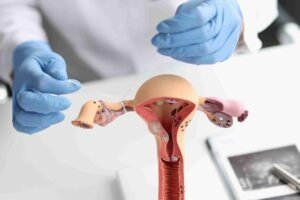
Fallopian Tube Surgery in Mumbai is a specialized procedure aimed at restoring female fertility by treating blocked, damaged, or hydrosalpinx-affected fallopian tubes. Modern surgical techniques, including laparoscopic, robotic, and open surgery , allow precise repair with minimal complications and faster recovery.
Mumbai is a leading center for female fertility treatments , with highly skilled surgeons and advanced surgical infrastructure, making it an ideal destination for women seeking fallopian tube surgery .
What Is Fallopian Tube Surgery?
Fallopian Tube Surgery is performed to treat conditions such as:
- Hydrosalpinx (fluid-filled fallopian tubes)
- Blocked or damaged fallopian tubes
- Tubal adhesions or scarring
- Ectopic pregnancy prevention
This surgery helps restore natural fertility, allowing the egg to travel from the ovary to the uterus.
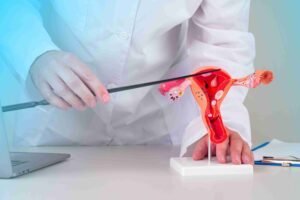
Types of Fallopian Tube Surgery in Mumbai
Laparoscopic Fallopian Tube Surgery in Mumbai
Laparoscopic surgery is minimally invasive, involving small incisions and a camera-guided procedure. Benefits include less pain, reduced hospital stay, and faster recovery.
Robotic Fallopian Tube Surgery in Mumbai
Robotic-assisted surgery offers precise microsurgical repair of fallopian tubes, making it ideal for complex tubal blockages and adhesions.
Open Fallopian Tube Surgery in Mumbai
Open surgery may be required for severe tubal damage or extensive adhesions. While recovery takes longer, it remains an effective treatment option.
Procedure of Fallopian Tube Surgery
The fallopian tube surgery in Mumbai generally follows these steps:
- Comprehensive fertility evaluation and imaging tests
- Assessment of tubal condition and length
- Surgical repair or removal of hydrosalpinx
- Microsurgical reconnection of tubes if needed
- Post-operative monitoring and fertility guidance
Surgery is performed under general anesthesia, and recovery varies depending on the surgical approach.
Benefits of Fallopian Tube Surgery in Mumbai
- Restores natural fertility
- Reduces the risk of recurrent hydrosalpinx or ectopic pregnancy
- Minimally invasive options available
- Shorter hospital stay and faster recovery
- High success rates when performed by experienced surgeons
Who Is a Candidate for Fallopian Tube Surgery?
Women who may benefit from fallopian tube surgery in Mumbai include:
- Those with hydrosalpinx or tubal blockage
- Women planning natural conception
- Patients with previous pelvic infections or surgeries
- Couples seeking fertility restoration without IVF
A fertility specialist evaluates each patient to determine the most suitable approach.
Recovery After Fallopian Tube Surgery
- Laparoscopic/Robotic: 7–10 days
- Open Surgery: 2–4 weeks
- Avoid heavy activity and follow post-operative guidelines
- Regular follow-up for fertility assessment
Why Choose Fallopian Tube Surgery in Mumbai?
Mumbai offers:
- Highly experienced fertility surgeons
- Advanced minimally invasive surgical technology
- Comprehensive fertility evaluation and treatment
- Affordable care compared to international centers
Choosing fallopian tube surgery in Mumbai ensures expert treatment and a higher chance of successful conception.
Fallopian Tube Surgery In Mumbai
- Home
Types Of Surgeries
- C-Section/ Caesarean Section/ LSCS.
- Gynaecological Surgery in Pregnancy
- Laparoscopic / Keyhole/ Laser Surgery
- Robotic Surgery
- Hysteroscopy (for polyp, septum, fibroid, biopsy, infertility, etc.)
- Hysterectomy/ uterus removal (laparoscopy/robotic/vaginal/open)
- Cystectomy/cyst removal (laparoscopy/robotic/vaginal/open)
- Endometriosis surgery (laparoscopy/robotic/vaginal/open)
- Prolapse surgery
- Tubal recanalization / tube re-joining surgery (laparoscopy/robotic/vaginal/open)
- Urinary leak surgery (TOT/TVT/Laparoscopy/robotic / open)
- Fallopian Tube surgery In Mumbai (e.g., hydrosalpinx)
- All cancer surgery (uterine cancer/cervical cancer/ovarian cancer/vulval cancer with chemotherapy and radio therapy expert associations
- PCOS surgery
- Surgeries to increase fertility
- Abortion surgery At Naraya Health Mumbai
- Diagnostics laparoscopy & hysteroscopy
Fallopian Tube Surgery in mumbai at Naraya Healthcare focuses on treating conditions like hydrosalpinx, blockages, or damage to the fallopian tubes that can affect fertility. Using advanced techniques such as laparoscopy, robotic, vaginal, or open surgery , our specialists repair or remove affected tubes to improve reproductive outcomes.
At Naraya Healthcare, we combine expert surgical care, state-of-the-art technology, and personalized treatment plans to ensure safe and effective outcomes. Our approach aims to restore fertility potential, minimize complications, and support women on their journey toward healthy pregnancies.
Hydrosalpinx Surgery in Mumbai
Hydrosalpinx surgery is usually performed using laparoscopic salpingectomy or salpingostomy , where the blocked or fluid-filled fallopian tube is removed or repaired. This procedure is commonly recommended before IVF because hydrosalpinx can reduce fertility and IVF success rates.
Cost of Hydrosalpinx Surgery in Mumbai
The cost depends on the hospital, surgeon experience, and surgical technique.
- Starting cost: ₹28,000
- Average cost: ₹28,000 – ₹42,000 for laparoscopic hydrosalpinx surgery in some hospitals.
- Typical clinic range: ₹30,000 – ₹80,000 depending on procedure type and facilities.
- Specialized fertility centers: ₹1,00,000 – ₹1,50,000 or more if advanced reproductive surgery is required.
- Hospital type (private vs specialty fertility clinic)
- Surgeon expertise
- Laparoscopic vs advanced robotic surgery
- Pre-surgery tests and scans
- Post-operative care and medicines
Cost factors include:
Types of Hydrosalpinx Surgery
- Laparoscopic Salpingectomy
- Removal of the damaged fallopian tube
- Often recommended before IVF
- Salpingostomy
- Opening the blocked tube to drain fluid
- Tubal Ligation / Tubal Clipping
- Blocking the affected tube before IVF
Recovery Time
- Surgery time: 45–90 minutes
- Hospital stay: same day or 1–2 days
- Recovery: 1–2 weeks for normal activities
- Fluid in the fallopian tube can reduce IVF success
- It can cause pelvic pain and infertility
- Removing the tube may increase pregnancy chances
Doctors often suggest hydrosalpinx surgery because:
Female Fertility Restoration Surgery
Female fertility restoration surgery refers to surgical procedures that help restore a woman’s ability to conceive naturally by correcting reproductive issues such as blocked fallopian tubes, fibroids, endometriosis, or previous sterilization (tubal ligation). These procedures are usually performed by a gynecologist or fertility specialist using minimally invasive techniques like laparoscopy or hysteroscopy.
Common Types of Female Fertility Restoration Surgeries
1. Tubal Reversal Surgery (Tubal Ligation Reversal) This surgery reconnects fallopian tubes that were previously tied or blocked during sterilization. It can allow natural pregnancy again.
2. Laparoscopic Surgery for Endometriosis Removes endometrial tissue growing outside the uterus, which can improve fertility and reduce pelvic pain.
3. Fibroid Removal (Myomectomy) Surgical removal of uterine fibroids that may interfere with implantation or pregnancy.
4. Hydrosalpinx Surgery Removes or repairs a fluid-filled fallopian tube that can reduce IVF success rates.
5. Adhesion Removal (Adhesiolysis) Removes scar tissue in the pelvis or uterus that may block fallopian tubes or affect ovulation.
6. Ovarian Cyst Removal Removes cysts that may interfere with ovulation and fertility.
Benefits of Fertility Restoration Surgery
- Improves chances of natural conception
- Removes reproductive system abnormalities
- Reduces pelvic pain caused by gynecological conditions
- May improve IVF success rates
- Restores normal reproductive function
Who May Need Fertility Restoration Surgery?
Doctors may recommend it if a woman has:
- Blocked fallopian tubes
- Endometriosis
- Uterine fibroids
- Pelvic adhesions
- Previous tubal ligation
- Ovarian cysts affecting fertility
- Minimally invasive surgery: 1–2 weeks recovery
- Hospital stay: Same day or 1 day
- Full healing: 2–4 weeks depending on the procedure
Success Rate
The success of fertility restoration surgery depends on:
- Age of the patient
- Type of fertility issue
- Overall reproductive health
- Surgical technique used
Many women can conceive naturally within 6–12 months after successful surgery.
When IVF May Still Be Needed
If natural conception does not occur after surgery, doctors may recommend fertility treatments such as IVF or IUI to improve pregnancy chances.
Advanced Minimally Invasive Tubal Surgery in Mumbai
Minimally invasive tubal surgery, also known as laparoscopic tubal surgery, is an advanced procedure used to diagnose and treat fallopian tube conditions. Moreover, it is highly effective for treating tubal blockages, thereby improving fertility and reproductive health. At Naraya Health , patients receive expert gynecological care using modern technology and evidence-based techniques.
What is Tubal Blockage and Why Does it Occur?
Tubal blockage occurs when the fallopian tubes are partially or completely blocked; consequently, it can prevent the egg and sperm from meeting. Furthermore, common causes include infections, endometriosis, pelvic inflammatory disease, or previous surgeries. Therefore, early diagnosis and timely treatment are essential for better outcomes.
This procedure is performed using laparoscopy; in other words, small incisions are made, and a thin camera is inserted to guide the surgery. As a result, there is less pain, minimal scarring, and quicker recovery. Additionally, the surgeon can remove blockages, repair damaged tubes, or restore normal function with precision.
- Firstly, smaller incisions ensure minimal scarring
- Secondly, there is significantly less pain and discomfort
- Moreover, recovery time is faster compared to traditional surgery
- In addition, hospital stay is shorter
- Most importantly, it improves chances of natural conception
Typically, patients recover within a few days; however, full recovery may take 1–2 weeks depending on the procedure. Meanwhile, doctors provide proper guidance on medications, rest, and follow-up care to ensure smooth healing.
Why Choose Naraya Health for Tubal Blockage Treatment?
- Experienced gynecologists and fertility specialists
- Advanced laparoscopic surgical techniques
- Personalized and compassionate patient care
- Strict adherence to safety and hygiene protocols
- High success rates in fertility treatments
FAQs – Fallopian Tube Surgery in Mumbai at Naraya Health
1. What is fallopian tube surgery, and why is it performed?
2. When is fallopian tube surgery recommended?
3. What are the different types of fallopian tube surgeries?
4. Is fallopian tube surgery safe?
5. How long does the surgery take?
Speak with a Naraya specialist.
Get clear guidance from the right doctor for your needs.